IUCLID
Is There an MCP Server for IUCLID? Yes. Here Is How to Connect an AI Agent
Yes, there is an MCP server for IUCLID. 4chems runs a public, remote Model Context Protocol server at https://mcp.4chems.com/mcp for its hosted IUCLID, CHESAR, QSAR Toolbox and IIP platform. Any MCP client — Claude Code, Claude Desktop, claude.ai, GitHub Copilot, Cursor, VS Code — can connect to it today. This article answers the questions we get most often about it, in the order people ask them.
Read More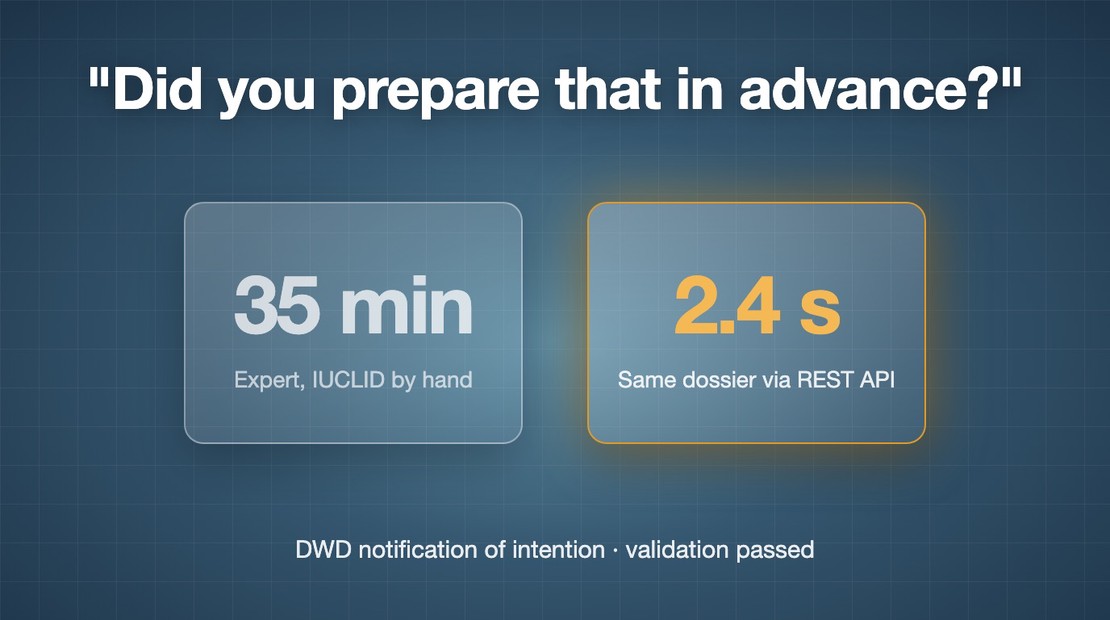
"Did You Prepare That in Advance?" Why a Fast Demo Can Still Lose the Tender
In almost every demo, someone asks the same question: “Did you prepare that in advance?”
Read More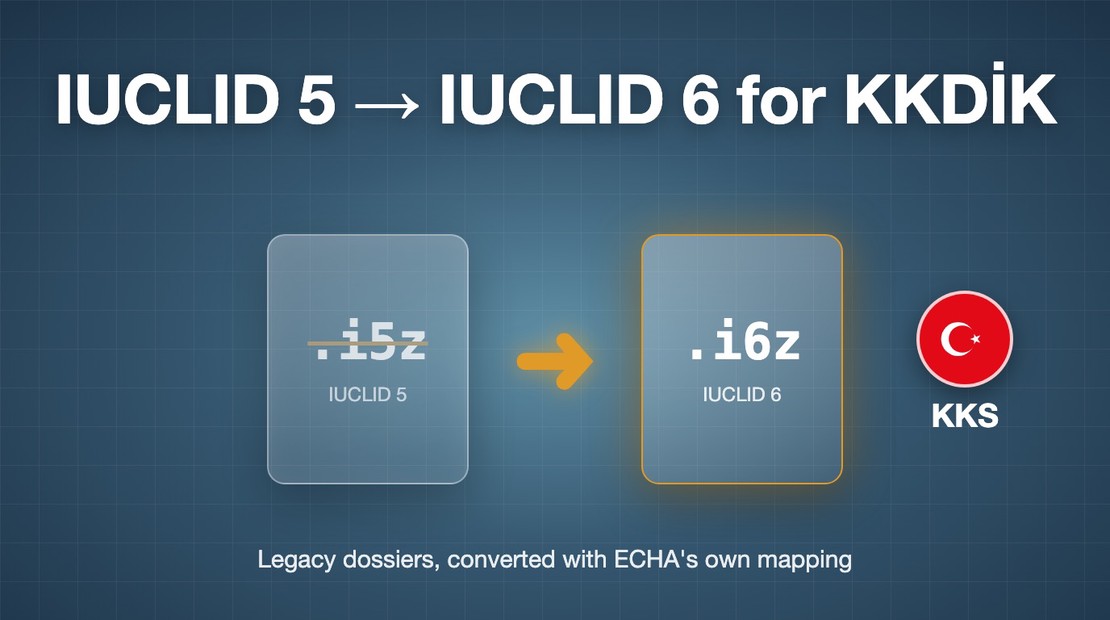
Your IUCLID 5 File Won't Go Into KKS
On 31 July a Hungarian manufacturer sent us two files ending in .i5z with one short question: can Türkiye accept these?
Read More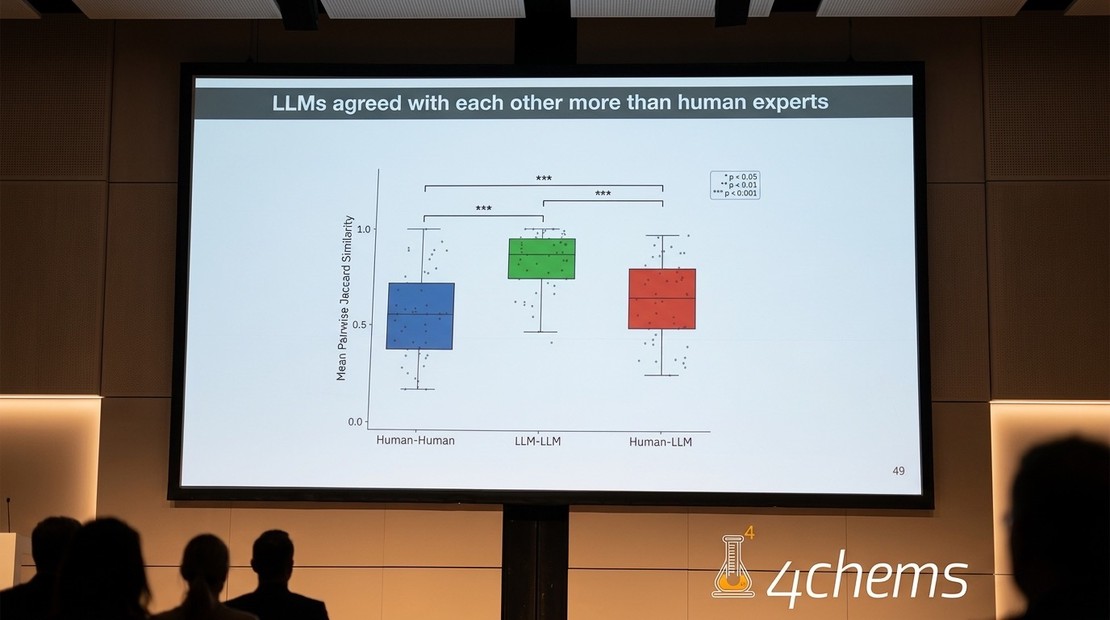
AI Models Agree With Each Other More Than Toxicology Experts Do
Toxicology runs on some of the strictest lab standards in science: OECD guidelines, GLP protocols, validated assays. A study presented at Eurotox 2026 found that the inconsistent part isn’t the lab work. It’s the reading.
Read More
REACH Went Global. Your Dossiers Didn't.
K-REACH. KKDİK. UK REACH. Four jurisdictions that looked at EU REACH and built their own version — each with its own submission system, its own validation layer, and its own data format.
Read More
How 4chems Secures Connected Data in Multi-Client IUCLID Environments
The question we get most often from compliance directors at consulting firms: how do you make sure my client’s data cannot reach another client’s screen?
Read More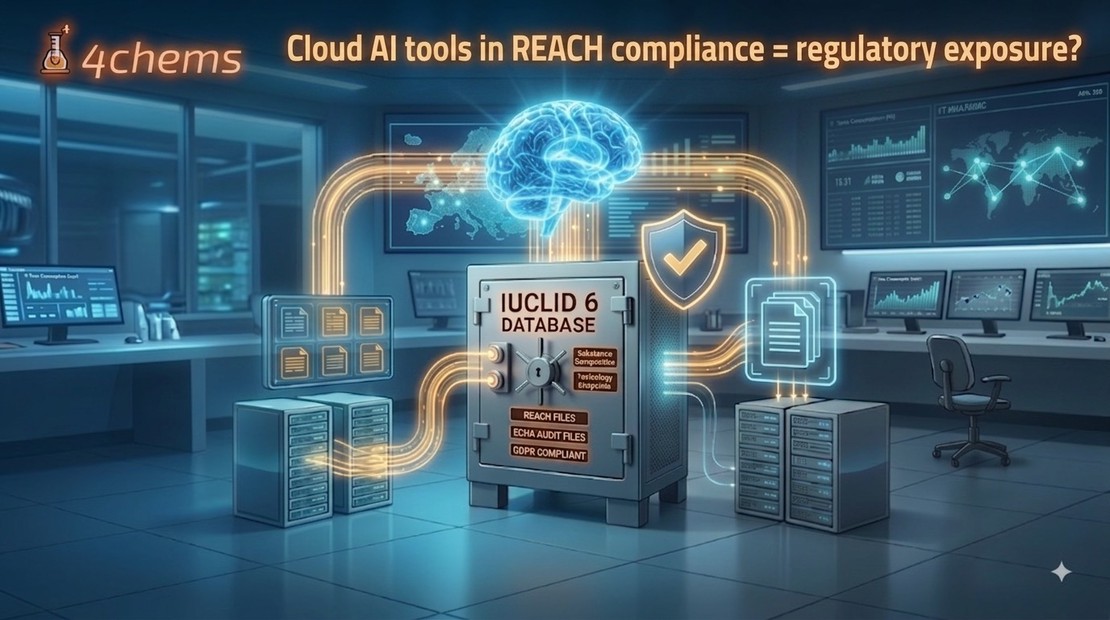
4chems vs. "Just Another IUCLID Platform": How We Think About AI and Cloud Risk
The debate around cloud and AI tools in REACH compliance usually revolves around one word: risk.
Read More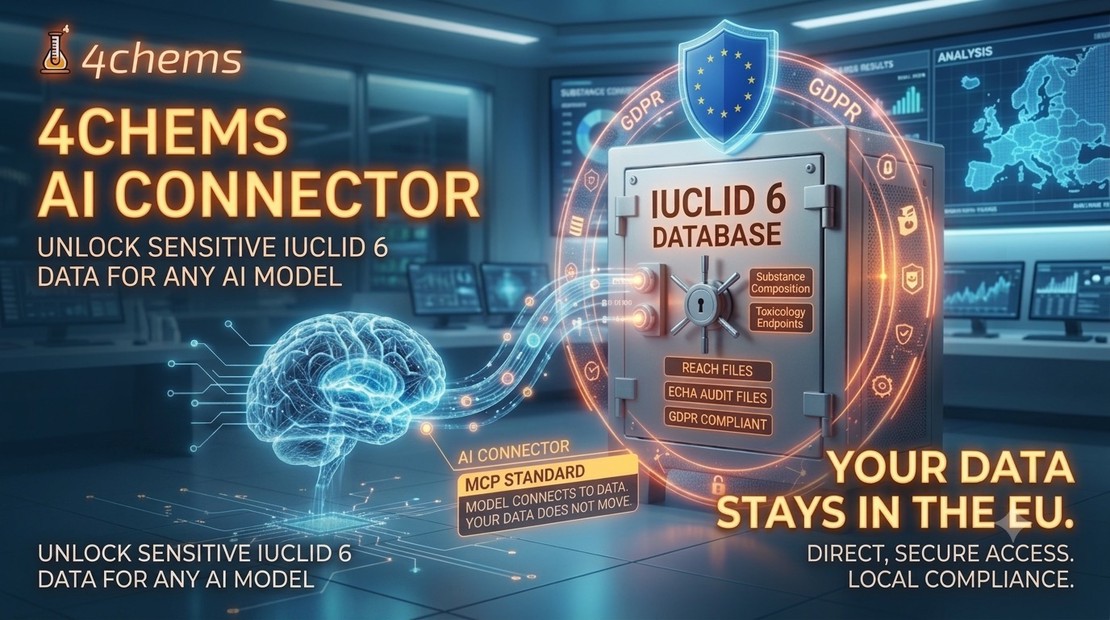
Introducing 4chems AI Connector: Secure AI Access to IUCLID 6 Data
The time has come to share what we’ve been working toward: AI Connector.
Read More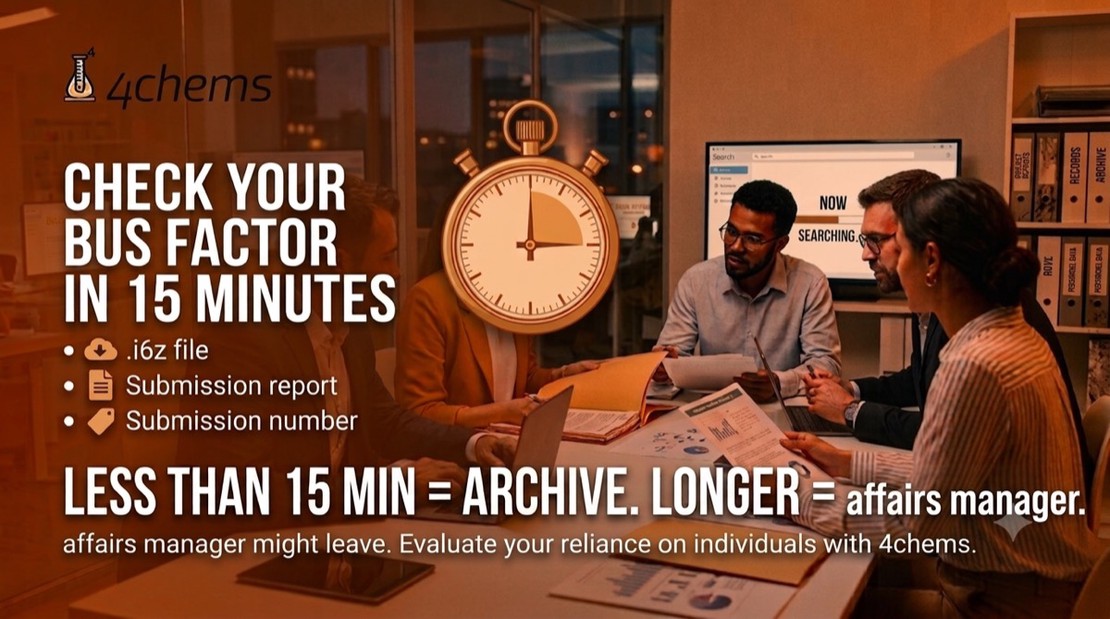
Does Your Compliance Team Need a Dossier Management System?
One of the questions regulatory affairs teams keep running into — usually right after something went wrong: do we need a dedicated system to manage our dossiers, or are we fine as we are?
Read More
Migrating Self-Hosted IUCLID to the Cloud: A Step-by-Step Guide
Running IUCLID on your own server made sense when you started. But on-premise installations quietly accumulate cost: Java and database maintenance, manual ECHA upgrades 2–4 times a year, backup management, and the risk of falling behind the current format right before a submission deadline. Moving to managed cloud hosting removes that burden — and a clean migration loses none of your data. Here is the path we use.
Read More
CLP 2026: New Hazard Classes and What They Mean for Your IUCLID Dossiers
The revised CLP Regulation (Classification, Labelling and Packaging) brings the biggest change to EU chemical hazard classification in years. New hazard classes are entering application, and they directly affect how you classify substances and build your IUCLID dossiers. If you register or supply chemicals in the EU, here is what you need to know — and do — in 2026.
Read More
EU Battery Regulation (BattDG): Chemical Composition Disclosure Deadlines
The EU Battery Regulation (Regulation (EU) 2023/1542, implemented in Germany by the BattDG, the national battery act) is pulling a whole new group of companies into chemical-disclosure obligations. If you manufacture, import, or place batteries on the EU market — from portable cells to EV traction batteries — you now have to declare what is inside them, and increasingly, prove it. Here is the timeline and how an IUCLID-based workflow helps.
Read More